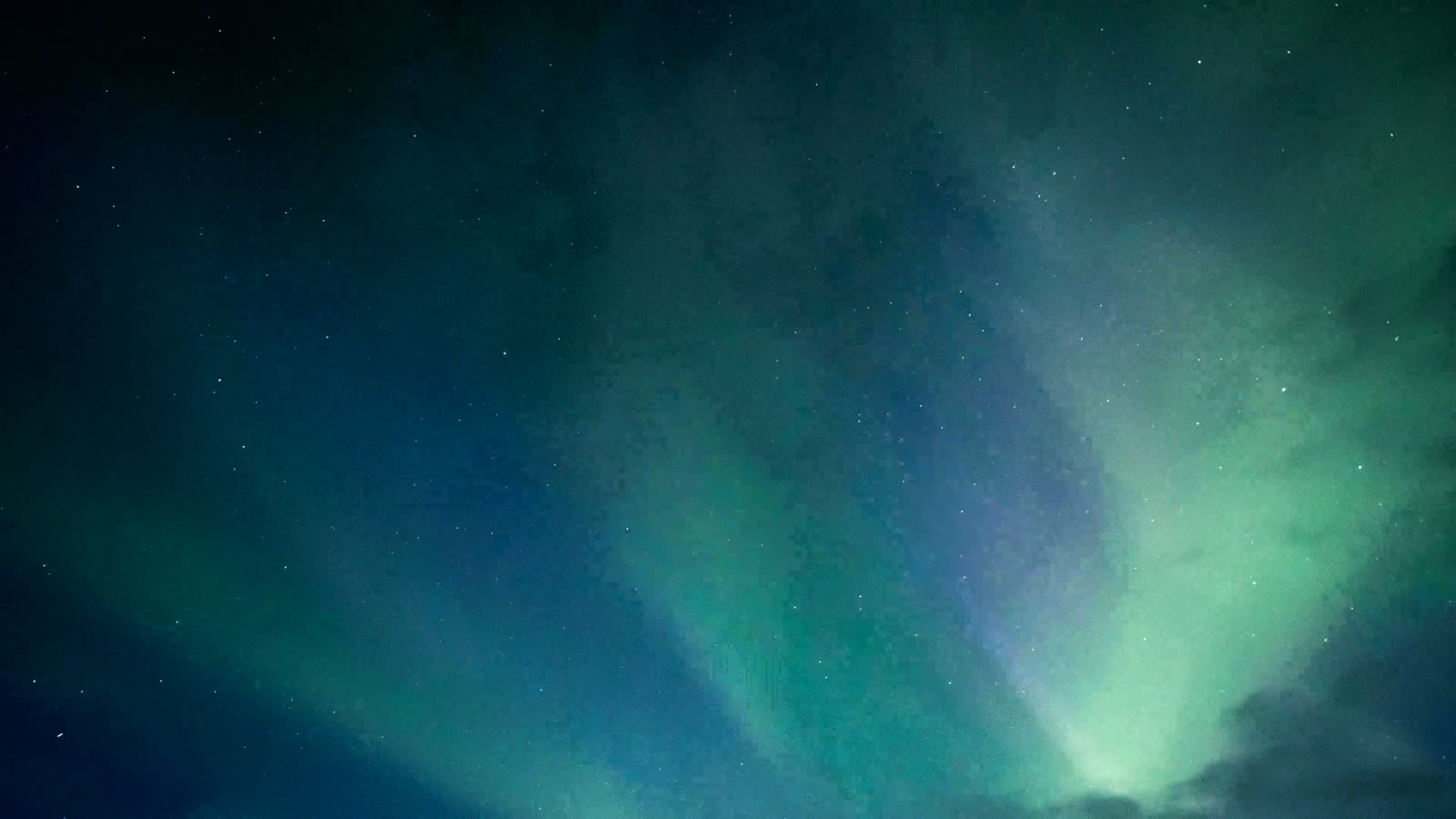
Northern lights
Northern Lights in Iceland: 2026–2027 Guide
The season, the hours, the KP index, the two maps we actually check before driving out, and why February is the…
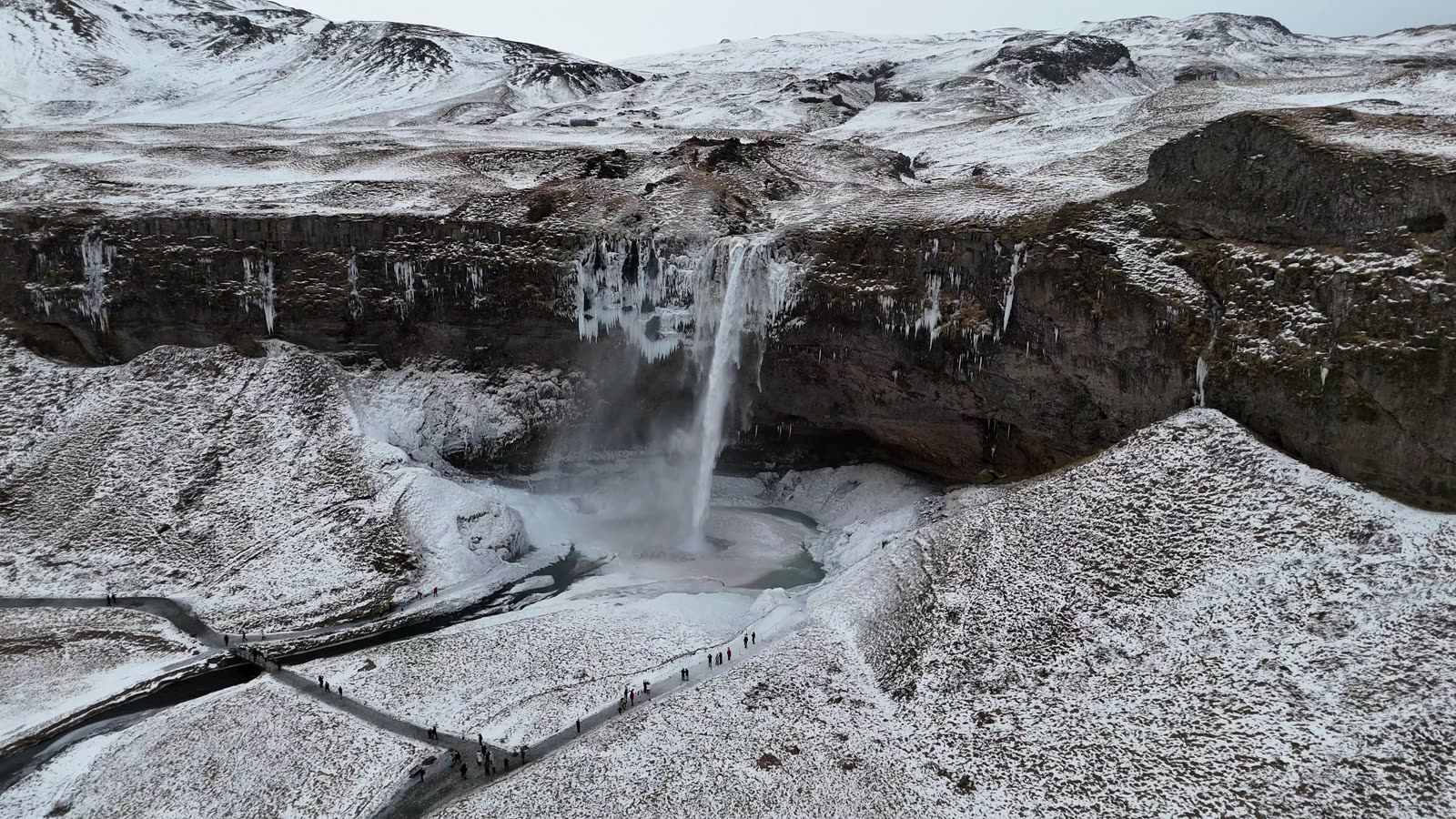
From Seljalandsfoss to Vík: what to see, how long each takes, where the toilets are, and why Reynisfjara is Iceland's most dangerous beach. With facts, not adjectives.
The South Coast is Iceland's best road for a first trip. In 190 kilometres from Reykjavík you go from waterfalls you can walk behind to glacier tongues, black sand beaches and a village with a red church on a hill.
It is also the stretch where most tourist accidents happen. We are going to talk about that too.
Sixty metres of drop and, the thing that makes it famous, a path that runs behind the curtain of water. It is a strange, worthwhile experience with two caveats: you will genuinely get soaked (rain shell, phone case) and the path closes in winter when it ices over, because the stones turn into a skating rink above a drop.
Six hundred metres north on foot is Gljúfrabúi, a waterfall hidden inside a cleft. You get in by wading a shallow stream. Most coaches skip it and it is the best photograph on this stretch.
Paid parking: 900 ISK.
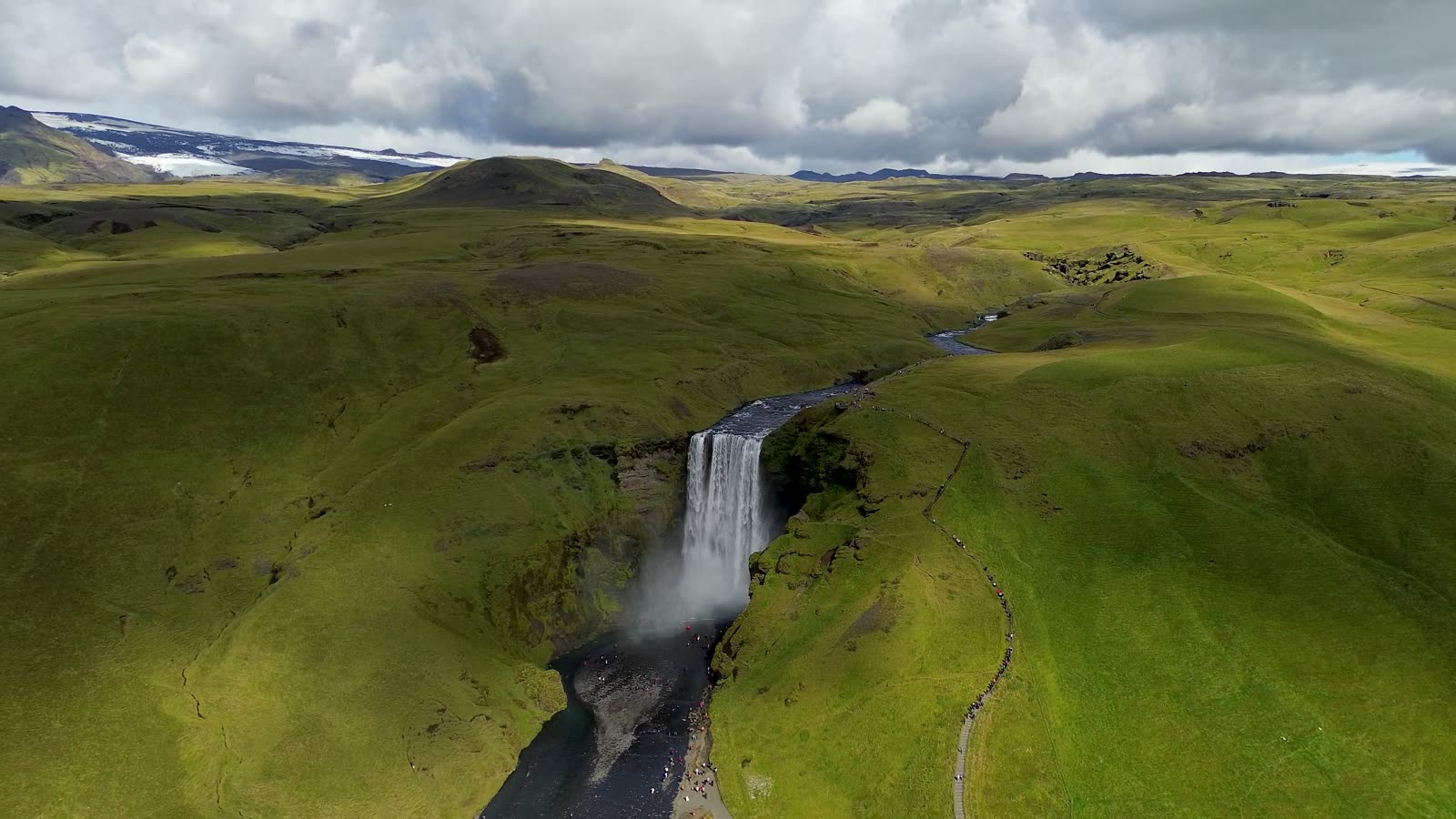
Twenty-five metres wide, sixty high, and a flow so constant that on sunny days there is a permanent rainbow — sometimes a double. You can walk close enough for the spray to soak you.
To the right a staircase of 527 steps climbs to the upper viewpoint. From the top the Fimmvörðuháls trail runs between two glaciers to Þórsmörk. Do not attempt it in trainers.
Free parking. Paid toilets.
A tongue of the Mýrdalsjökull glacier, reached by a 15-minute walk from the car park. It is the most accessible place in Iceland to stand next to glacier ice — and one of the saddest: signs mark where the glacier reached in 2010, 2015 and 2020, and the gaps between them are visible to the naked eye.
Never walk onto the glacier without a guide and crampons. Crevasses get covered by fresh snow and you cannot see them.
A 120-metre headland with a huge rock arch beneath it that boats sail through. Aerial view over the whole black coast. Between May and mid-August it is one of the best places in Iceland to see puffins at a few metres.
The road up to the high viewpoint closes for part of the winter and during nesting season.
The most famous black sand beach in the world, with hexagonal basalt columns, a cave and the Reynisdrangar sea stacks offshore.
And now the important part. Reynisfjara has sneaker waves — waves that surge far higher up the beach than the ones before, without warning, because the seabed drops away metres from shore. The water is 5 °C, the undertow is brutal, and it has killed visitors. There is a danger traffic light in the car park. Obey it.
The rule we give every time: never turn your back on the sea, and never go below the seaweed line in the sand. No photograph is worth it.
Iceland's southernmost village. About 750 people, a red church on a hill with the best view in the valley, a supermarket, a petrol station and a wool factory. It is the natural lunch stop.
If you carry on east: a two-kilometre canyon a hundred metres deep, carved by meltwater over two million years. A rim path runs along it with viewpoints. It closes in spring to let vegetation recover — check before you go.
Route 1 is two lanes, often without a hard shoulder, and in winter crosswind is the real danger, not ice. Gusts of 25 m/s will move you out of your lane. Check vedur.is (wind) and road.is (road status) before setting off, and if they tell you not to drive, do not drive: in Iceland those warnings are not suggestions.
In winter, with four or five hours of light and black ice, this is the stretch where going with someone who drives it every week makes the most sense.
To Vík and back, yes — about 10 hours. To Jökulsárlón and back is also possible but it is 14 hours and roughly 800 km round trip.
Yes. Sneaker waves have caused deaths. Stay above the seaweed line and never turn your back on the sea.
Usually not — the path closes when it ices over. The car park confirms it on the day.
Yes, at Dyrhólaey, from late May to mid-August.
Small groups, bilingual guides, free cancellation.
The season, the hours, the KP index, the two maps we actually check before driving out, and why February is the…
The suitcase that actually works between October and April, written by people who see every week what…
Daylight hours, aurora odds, which roads are open and how busy it gets.
Tell us the dates and how many you are. Plan and price back today.