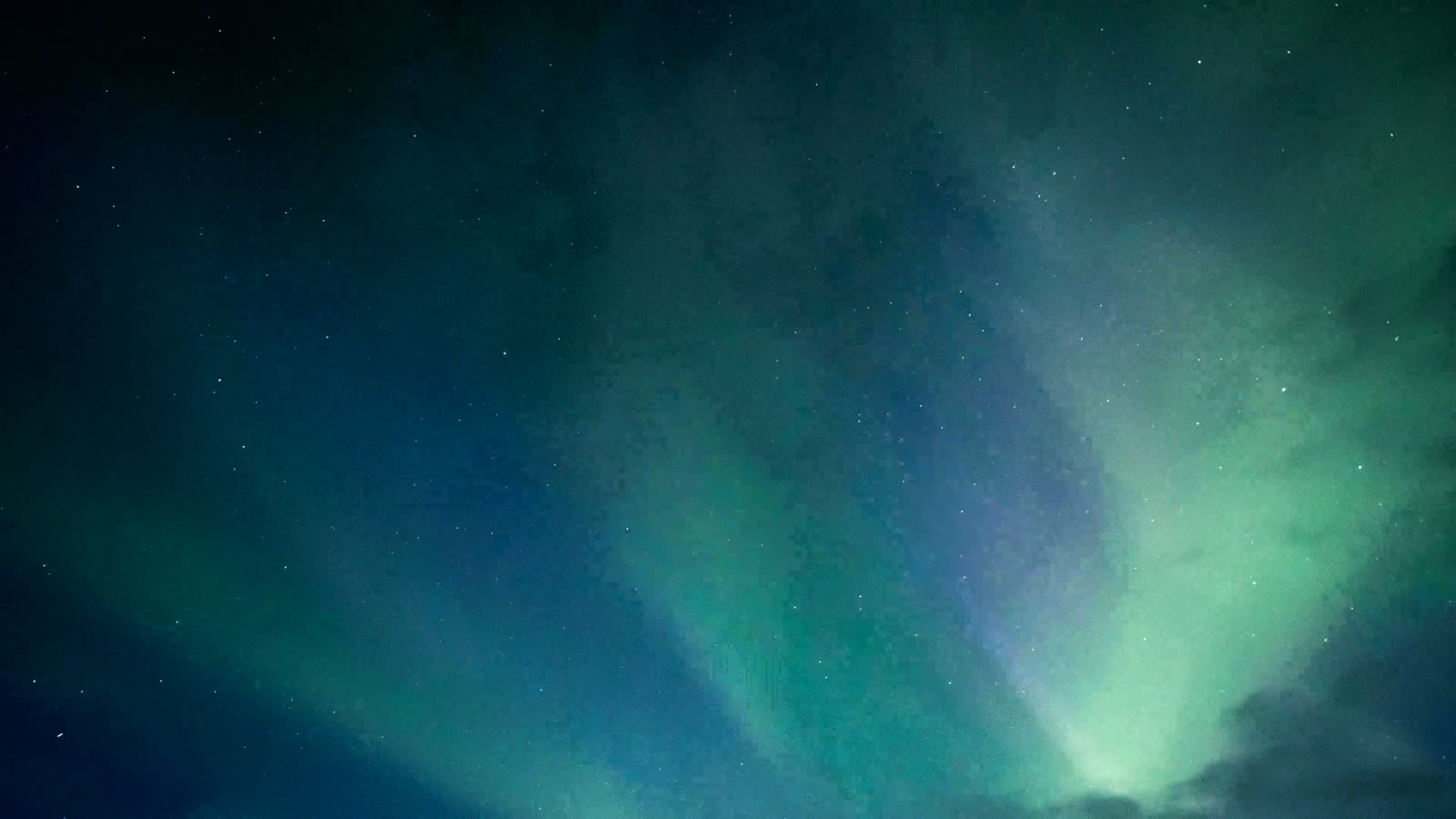
Northern lights
Northern Lights in Iceland: 2026–2027 Guide
The season, the hours, the KP index, the two maps we actually check before driving out, and why February is the…
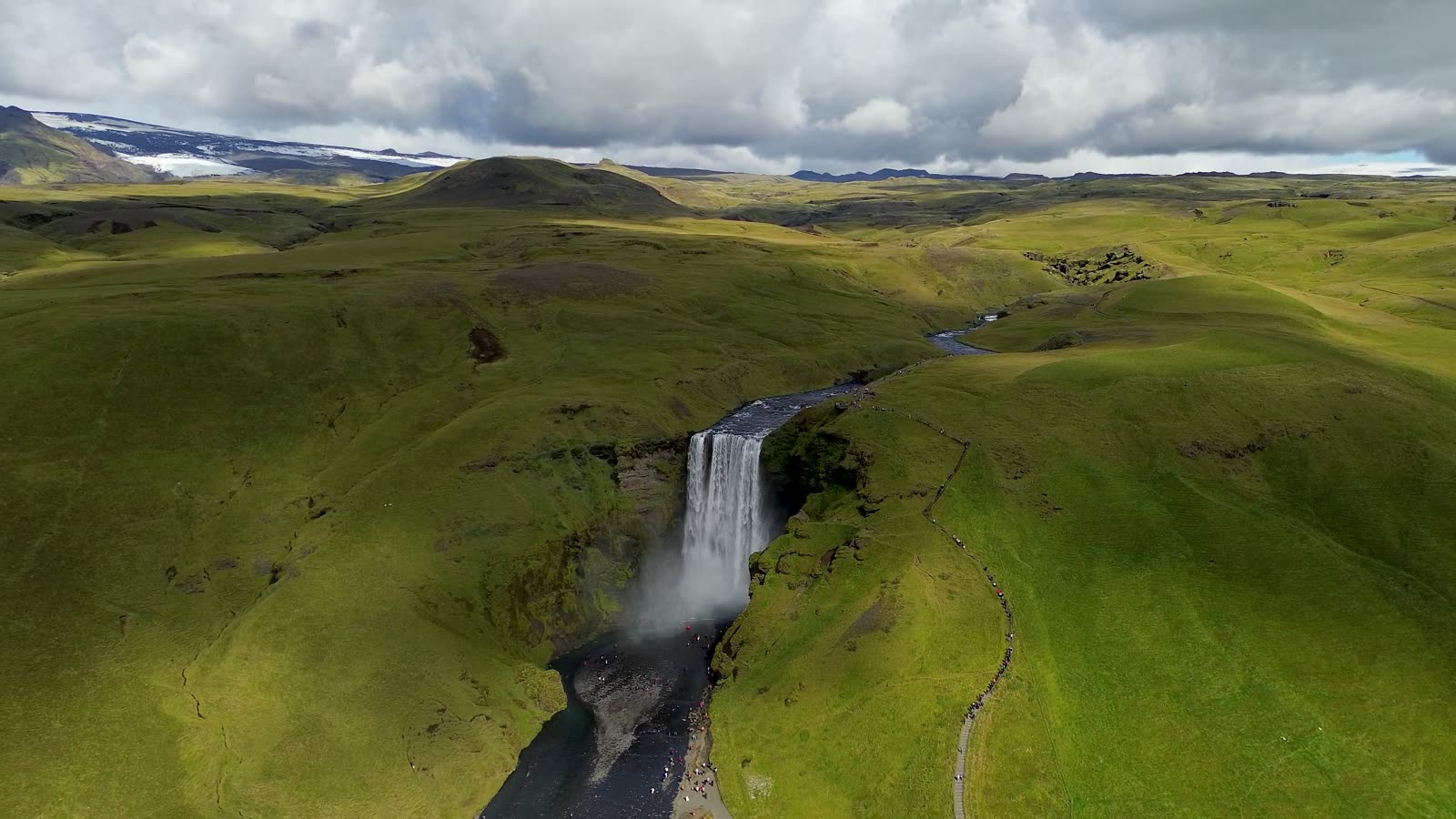
Daylight hours, aurora odds, which roads are open and how busy it gets. The perfect month depends on what you came to see — here is every one of them.
There is no "best month to visit Iceland". There is the best month for what you want to see, and those are different months. This is the table we use when someone writes asking when to come.
The longest nights of the year and the best aurora conditions. Sunrise near 11:00, sunset at 15:30, which sounds terrible until you realise all of that light is golden hour. January photographs of Iceland are unrepeatable. Ice caves open. Highlands closed.
Our favourite aurora month. Statistically the one with the most clear-sky departures, and the days are already long enough for a full South Coast run. Still low-season pricing.
The perfect balance: enough night for auroras, enough day for driving. The equinox brings high geomagnetic activity. Snow stays on the peaks but the main roads are clear.
The handover month. Aurora season fades halfway through, but the country wakes up: the first puffins arrive at the end of the month and prices have not climbed yet. Very good value.
The best-kept secret. Almost nobody comes in May, the moss turns green again, waterfalls run at full meltwater volume, every coastal road is open and prices are still low. No auroras — that is the only catch.
Midnight sun. The sun sets for a few minutes and comes straight back. The interior tracks (F-roads) open around mid-month. Puffins are at Dyrhólaey and Látrabjarg. This is peak season: book accommodation months ahead.
The warmest month and the busiest. Every trail dry, every road open, every car park full. Which is exactly why a small group that leaves before the coaches is worth something.
All the summer access, and from mid-month real darkness returns. The first faint auroras show up in late August. The crowds start thinning. A very good month.
The month Icelanders pick. Autumn colour in the moss and the birch, summer roads still open, aurora season properly back, and half the people of July. If you let us choose for you, we choose September.
Long nights, theatrical weather, empty viewpoints. The highland tracks close. This is when Iceland starts looking like Iceland again.
Quiet, cheap and cinematic. First snow on the South Coast. Ice caves open. Very few travellers.
The most atmospheric month: Reykjavík lit end to end, the thirteen Icelandic Yule Lads coming down from the mountains, ice caves at their best. Four hours of light forces tight planning, which is why it works better guided than solo.
| Ice caves | F-roads (highlands) | Puffins | Auroras | |
|---|---|---|---|---|
| Jan–Mar | Yes | No | No | Yes |
| Apr–May | Until March | No | From late May | Only to mid-April |
| Jun–Aug | No (natural caves) | Yes | Yes, to mid-August | No |
| Sep–Dec | From November | Until late Sept. | No | Yes |
Iceland has two high seasons: June–August (summer) and late December (Christmas and New Year). Everything else is cheaper, sometimes dramatically so. If your calendar is flexible, May and October give the best ratio between what you see and what you pay.
None are bad, but November and December have so little daylight that if you came for landscapes rather than auroras, you will feel short-changed.
January, February, November and early May. September sits in the middle: plenty to see, far fewer people than July.
No. They are opposites: one needs permanent light, the other darkness. Late August is the closest you get.
F-roads open between mid-June and early July depending on the thaw, and close in September. Vegagerðin (road.is) publishes the exact dates.
Small groups, bilingual guides, free cancellation.
The season, the hours, the KP index, the two maps we actually check before driving out, and why February is the…
The suitcase that actually works between October and April, written by people who see every week what…
Iceland is expensive and we are not going to pretend otherwise.
Tell us the dates and how many you are. Plan and price back today.