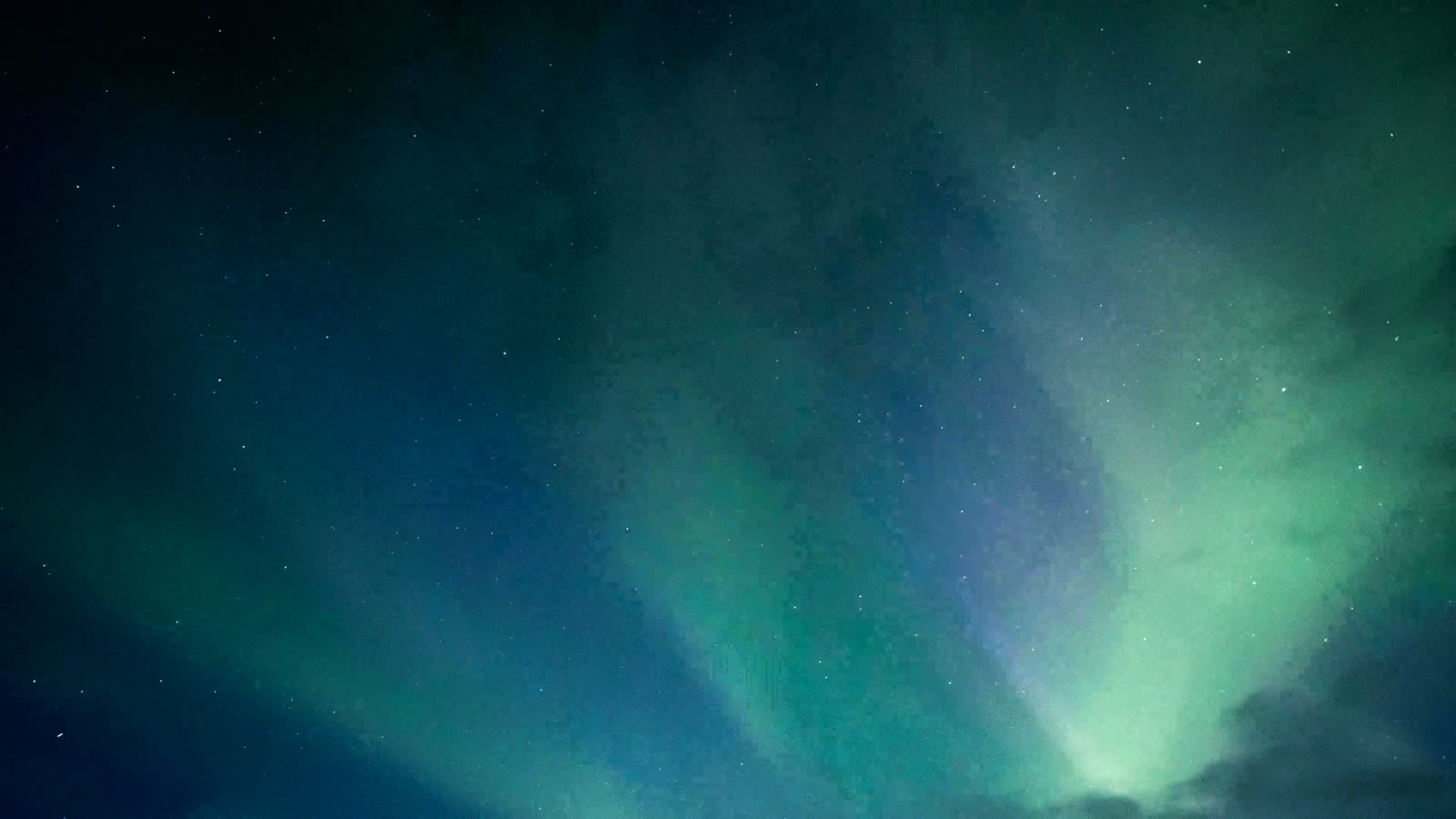
Northern lights
Northern Lights in Iceland: 2026–2027 Guide
The season, the hours, the KP index, the two maps we actually check before driving out, and why February is the…
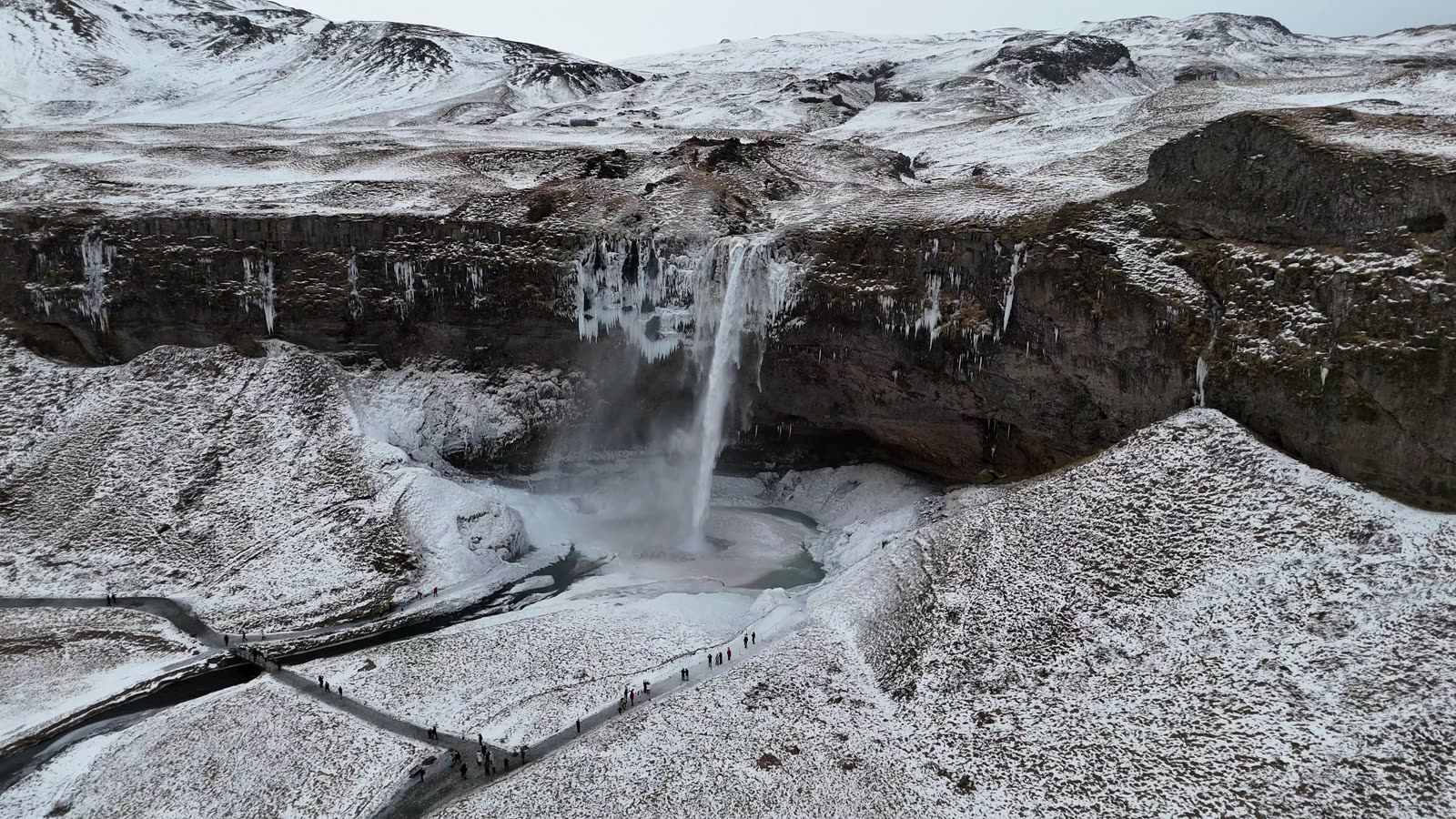
The suitcase that actually works between October and April, written by people who see every week what travellers bring and what they end up buying in a panic in Reykjavík.
Iceland is not as cold as you think. Reykjavík in January hovers around 0 °C — milder than Chicago, milder than Moscow, milder than a cold snap in Madrid. What Iceland has is wind, horizontal water and a new weather system every two hours. That is the enemy, not the thermometer.
The entire rule of Icelandic clothing fits in one sentence: three layers, and the outer one genuinely waterproof.
Thermal base layers in merino wool or synthetic. Long-sleeve top and thermal leggings.
No cotton. Not a cotton t-shirt, not cotton socks. Cotton soaks up sweat and holds it, and then it freezes you from the inside. Icelanders have a saying about this and it is not a guide's joke.
A thick fleece or a light down jacket. If you are torn between them: light down, because it compresses into a daypack and you can strip it off inside the van.
A waterproof, windproof jacket with a hood. Look for a Gore-Tex-style membrane with taped seams. "Water resistant" does not count: at Seljalandsfoss you walk behind a waterfall and two minutes later you are soaked.
And waterproof over-trousers on top of your normal trousers. It is the item most people forget and the one they thank us for most. It costs €30–50 and changes the trip.
The thing nobody tells you: in Iceland the wind can rip the door off a rental car, and no standard insurance covers that damage. If you are driving, always open the door with both hands, with your back to the wind. If you are with us, that is our problem, not yours.
Less than people imagine — Reykjavík sits around 0 °C in January. The hard part is wind combined with rain, not the temperature.
Between November and March, yes. Trails and car parks ice over. Cheap microspikes over your boot are enough.
Yes, and you should. It is untreated spring water and it is free. Buying bottled water in Iceland makes no sense at all.
The same three layers, just thinner. Even in July the South Coast can hand you 8 °C with wind and rain.
Small groups, bilingual guides, free cancellation.
The season, the hours, the KP index, the two maps we actually check before driving out, and why February is the…
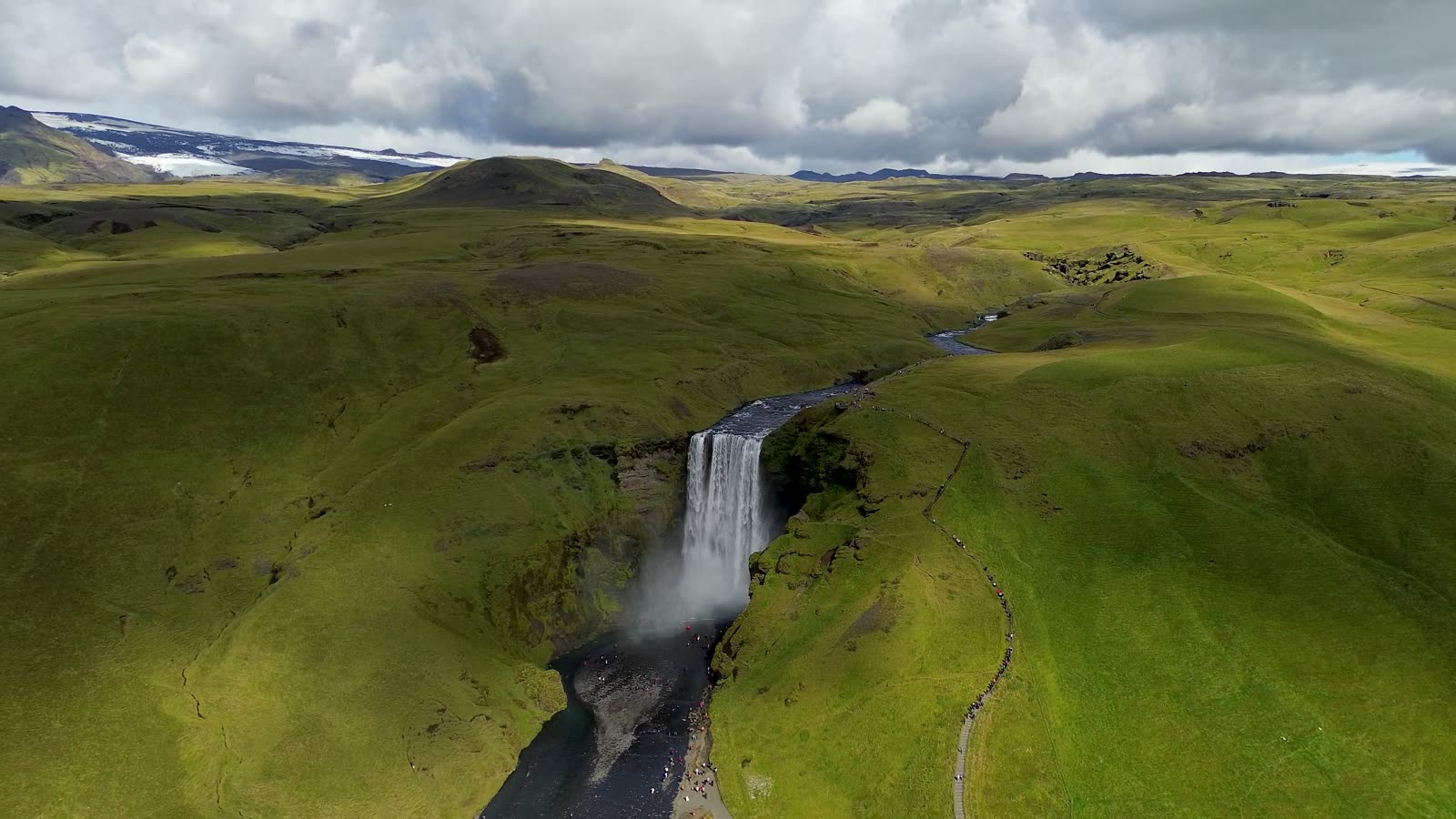
Daylight hours, aurora odds, which roads are open and how busy it gets.
Iceland is expensive and we are not going to pretend otherwise.
Tell us the dates and how many you are. Plan and price back today.