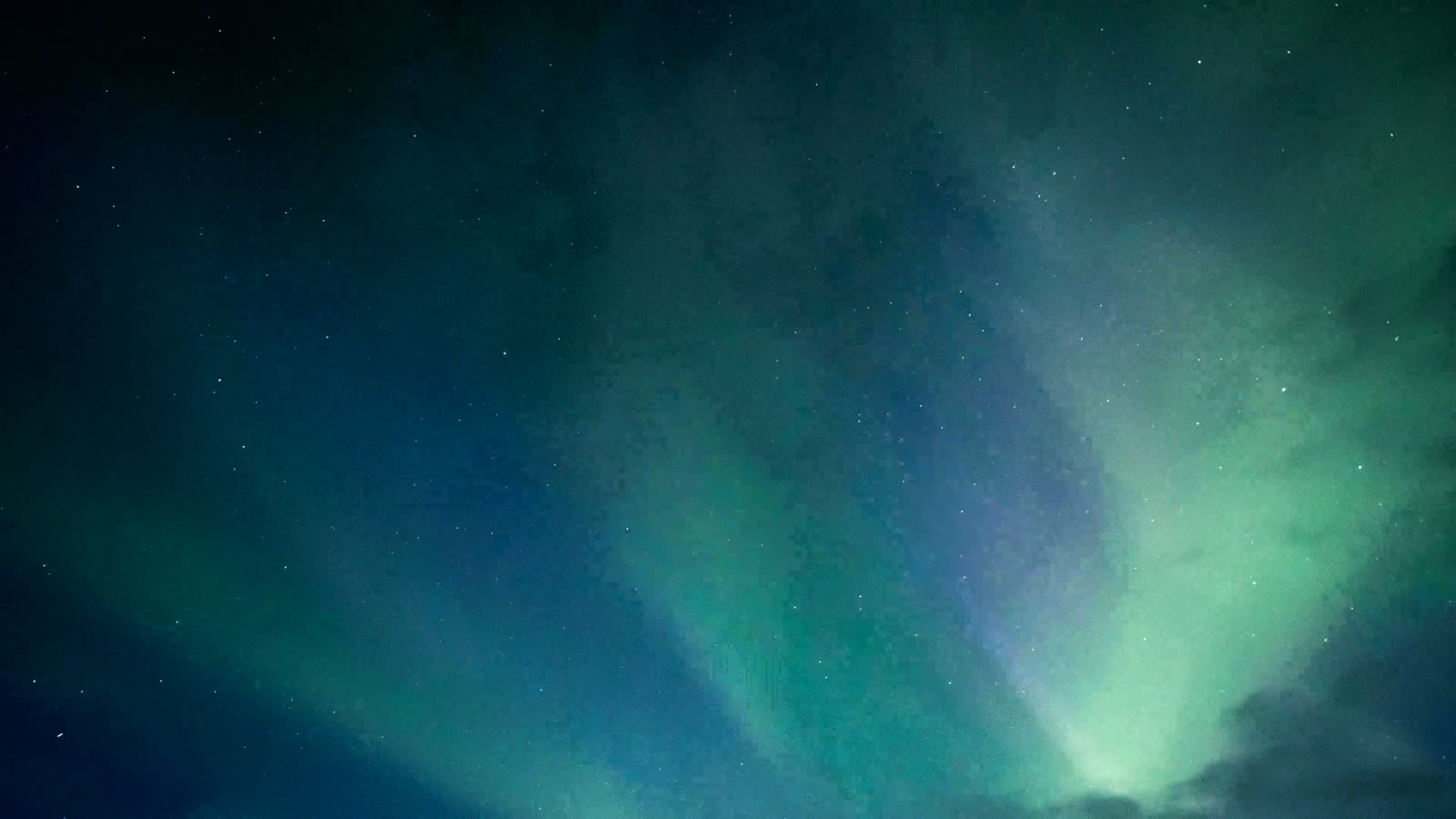
Northern lights
Northern Lights in Iceland: 2026–2027 Guide
The season, the hours, the KP index, the two maps we actually check before driving out, and why February is the…
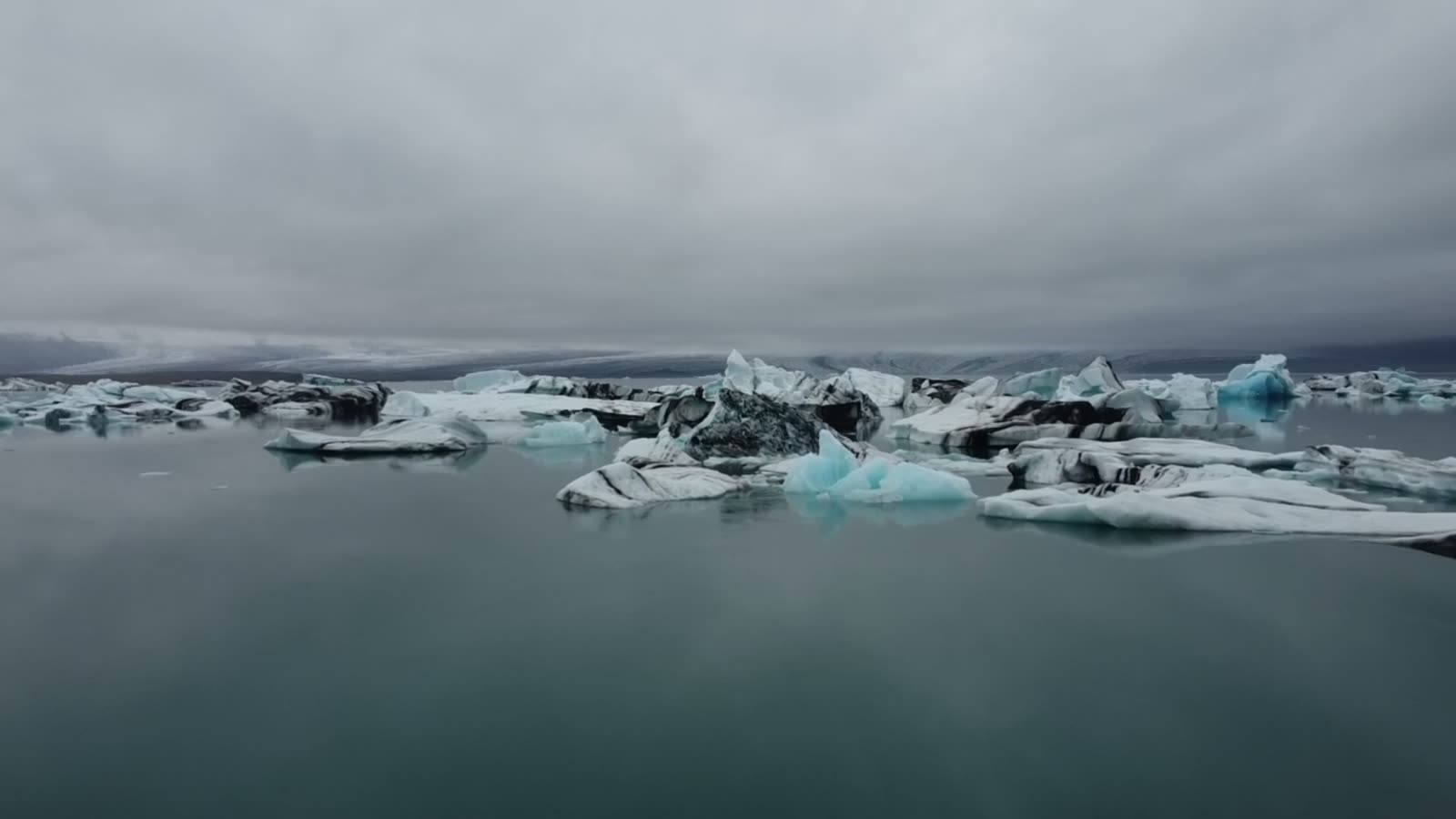
The glacier lagoon and the beach of diamonds, explained: how they formed, how long it takes from Reykjavík, when the light is best, and why the ice on the beach changes every six hours.
Jökulsárlón did not exist a hundred years ago. In 1930 this place was solid ice: the snout of the Breiðamerkurjökull glacier reached almost to the sea. As it retreated it left a hollow that filled with meltwater, and today the lagoon covers roughly 25 km² and reaches 248 metres deep — Iceland's deepest lake, and it is still growing every year.
It is, literally, a landscape being created in front of you. It is also the most visual argument about climate change you will ever stand in.
The glacier calves at its front and drops icebergs into the lagoon. Those icebergs drift slowly toward the outlet, a short channel connecting to the Atlantic. There the tide pulls them out to sea, the surf polishes them, and the next tide throws some of them back ashore, now transparent blocks on black sand.
That shore is Fellsfjara, which everybody calls Diamond Beach.
The ice you are looking at is five hundred to a thousand years old. The deep blue in some blocks is ice compressed so hard it has expelled its air bubbles; the black is volcanic ash trapped during one specific eruption, in one specific year.
Here is the detail that makes the difference:
If you come on a day tour from Reykjavík you will arrive around midday, which is not the best light — but it is not a disaster either, and it is the price of doing it in one day.
Between May and October you can go out onto the lagoon by amphibian boat (around €60) or zodiac (around €100). It takes you among the icebergs and close to seals. It does not run in winter.
Worth it? If this is your only day there and there is space, yes. If you are coming back, the view from the shore is already extraordinary.
Three rules that are not decoration:
Gloves (you will touch ice), waterproof boots with grip (wet sand beside the blocks is slippery), and a microfibre cloth for your lens: between sea spray and wind, it will be covered in salt within five minutes.
Yes, but it is about 14 hours and 740 km round trip. A night in Vík or Kirkjubæjarklaustur makes it far more enjoyable.
Almost always, but the amount changes with the tide and with glacier activity. Low tide leaves considerably more.
May to October, by amphibian boat or zodiac. It does not operate in winter.
Yes, in the lagoon and at the river mouth, essentially year-round.
Small groups, bilingual guides, free cancellation.
The season, the hours, the KP index, the two maps we actually check before driving out, and why February is the…
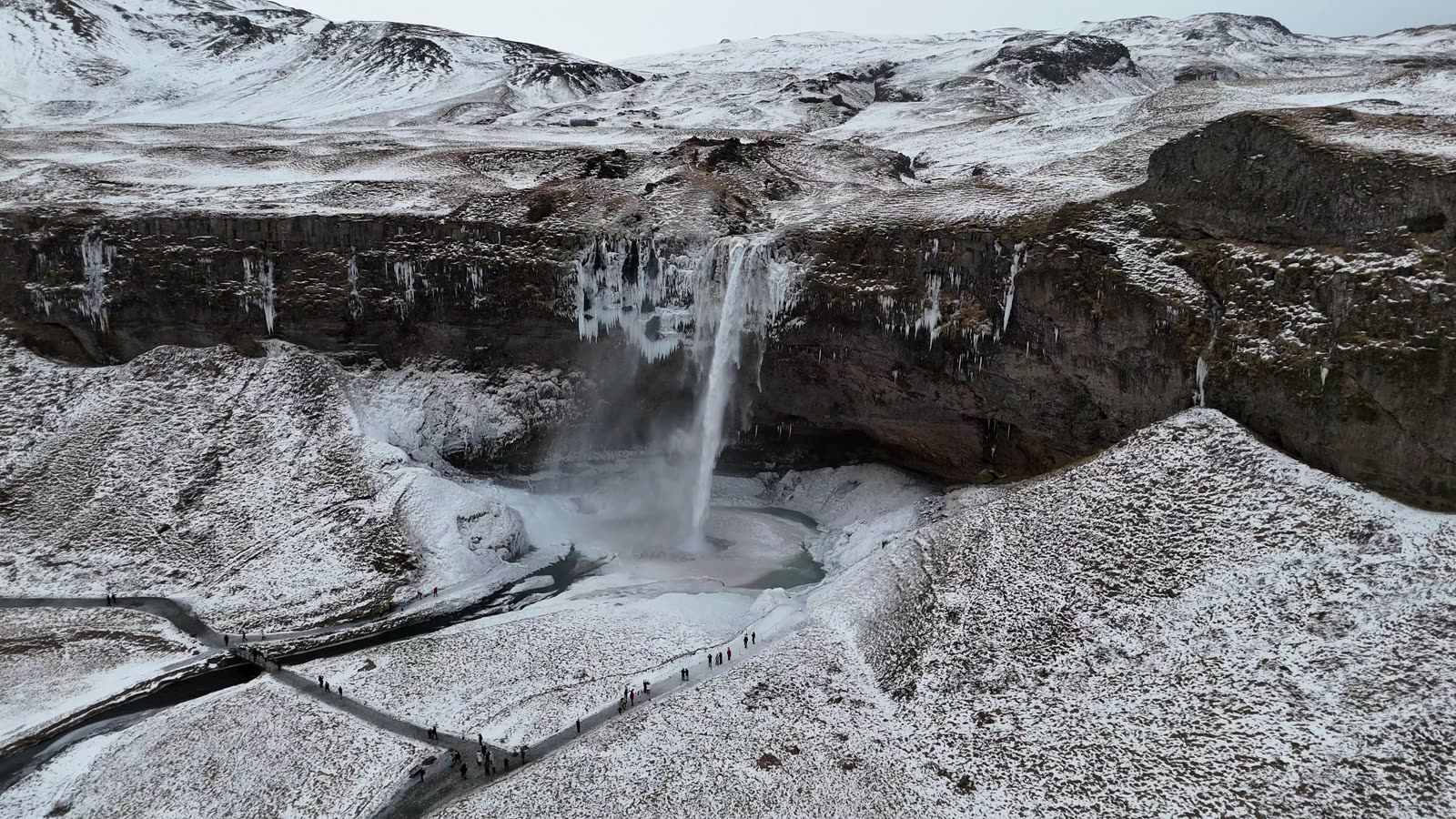
The suitcase that actually works between October and April, written by people who see every week what…
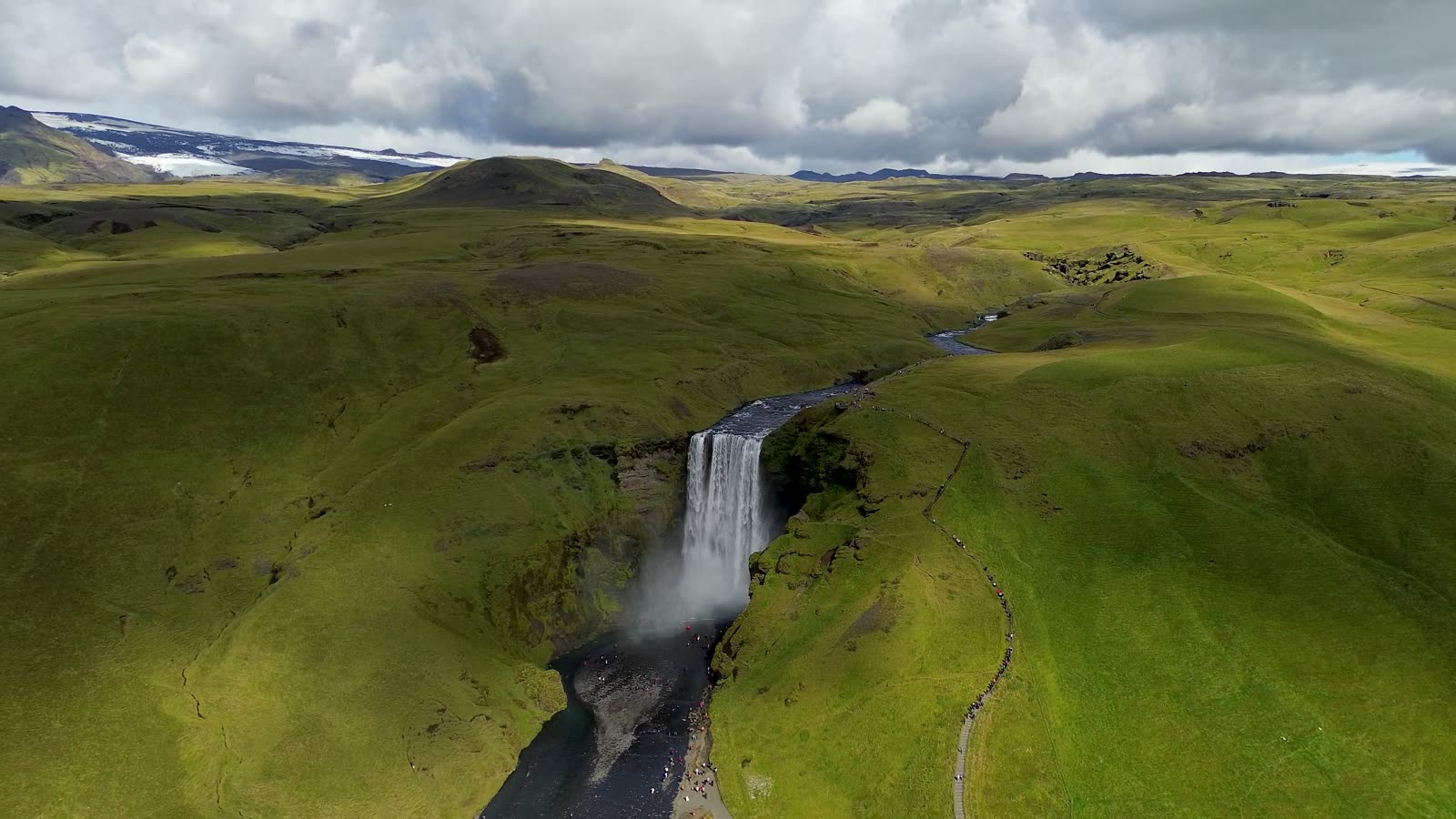
Daylight hours, aurora odds, which roads are open and how busy it gets.
Tell us the dates and how many you are. Plan and price back today.